What is Rabbit Gut Stasis?
Definition and Overview
Rabbit gut stasis, also known as gastrointestinal stasis, is a serious health condition that affects the digestive system of rabbits. It occurs when the normal motility of the gastrointestinal tract slows down or stops altogether. This condition can lead to severe complications if not addressed promptly, making it a life-threatening issue for pet rabbits. Understanding rabbit gut stasis is crucial for pet owners, as the condition can escalate rapidly, resulting in significant pain and potential mortality.
Physiology of Rabbit Digestion
Rabbits are unique in their digestive physiology. They are herbivores with a specialized digestive system designed to break down fibrous plant material. The digestive process involves:
- Fiber Fermentation: The rabbit's cecum plays a vital role in fermenting fiber, allowing the breakdown of cellulose from grasses and hay.
- Two Types of Feces: Rabbits produce two types of fecal pellets: hard feces and soft cecotropes, which are re-ingested to absorb nutrients.
- Continuous Movement: The digestive system requires a continuous supply of food to maintain gut motility. A diet low in fiber can disrupt this process.
The delicate balance of bacteria in the rabbit's gut is essential for digestion. Any interruption in normal digestive function can lead to severe complications.
Common Causes of Gut Stasis
Several factors can contribute to the development of gut stasis in rabbits:
- Dietary Issues: A diet low in fiber or high in carbohydrates can lead to gut stasis. For instance, feeding rabbits too many pellets and not enough hay can disrupt their digestive processes.
- Environmental Stress: Changes in environment, such as moving to a new home, the addition of new pets, or loud noises can stress rabbits and affect their appetite and digestion.
- Medical Conditions: Health issues such as dental problems, gastrointestinal blockages, or infections can predispose rabbits to gut stasis.
- Medications: Certain medications, particularly opioids and anesthetics, can slow down gut motility.
Recognizing these causes is vital for prevention and timely intervention.
Identifying Early Signs of Gut Stasis
Behavioral Changes in Affected Rabbits
Early detection of gut stasis is crucial for effective treatment. Behavioral signs that indicate a rabbit may be suffering from this condition include:
- Reduced Appetite: A noticeable decrease in food intake or complete refusal to eat is a common early sign of gut stasis.
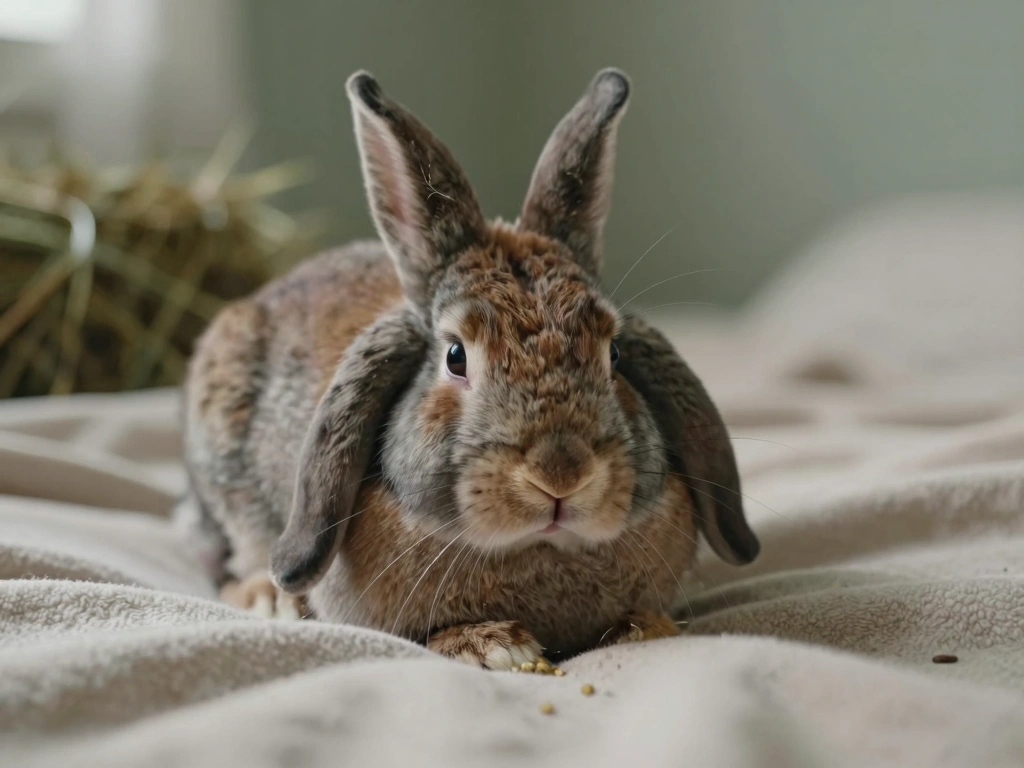
- Lethargy: Affected rabbits may become less active, spending more time resting and less time engaging in normal behaviors such as hopping or exploring their environment.
- Change in Grooming Habits: Rabbits may neglect grooming themselves when they are not feeling well, leading to an unkempt appearance.
Observing these changes can help owners catch the condition early before it progresses to a more critical state.
Physical Symptoms to Monitor
In addition to behavioral changes, there are physical symptoms that indicate gut stasis:
- Abdominal Distension: A bloated or swollen abdomen can indicate gas buildup, which is a common symptom of gut stasis.
- Changes in Fecal Output: A decrease in fecal production or the presence of small, hard pellets can signal digestive issues.
- Signs of Pain: Rabbits may exhibit signs of discomfort, such as grinding their teeth, hunched posture, or reluctance to move.
These physical signs, combined with behavioral changes, can help pet owners identify gut stasis early.
The Importance of Early Detection
Early detection of rabbit gut stasis is critical for preventing severe complications. If caught in the early stages, treatment can be more straightforward and effective. Delaying treatment can lead to bacterial overgrowth, dehydration, and even death. Pet owners should be vigilant and proactive in monitoring their rabbit’s health, as prompt action can save their life.
How Gut Stasis Progresses to a Life-Threatening Condition
The Role of Bacterial Overgrowth
When gut stasis occurs, the normal flow of food and waste through the digestive tract is disrupted. This stagnation creates an environment conducive to bacterial overgrowth. Normally, a healthy rabbit gut contains a balanced microbiome of beneficial bacteria, but when motility ceases, harmful bacteria can proliferate. This overgrowth can lead to:
- Severe Gastrointestinal Distress: The excess bacteria can produce toxins and gas, exacerbating abdominal pain and bloating.
- Infection: The condition can escalate into more serious infections such as enterotoxemia, which can be fatal if not treated quickly.
Understanding this progression is vital for rabbit owners to appreciate the urgency in seeking veterinary care.
Consequences of Prolonged Inactivity in the Gut
When the gut remains inactive for an extended period, the consequences can be dire. Prolonged stasis leads to:
- Impaired Nutrient Absorption: Nutrients from food cannot be absorbed effectively, leading to malnutrition.
- Gastrointestinal Blockage: Solid material can accumulate, potentially leading to blockages that require surgical intervention.
- Sepsis: As bacteria overgrow and toxins enter the bloodstream, rabbits can develop sepsis, a life-threatening systemic infection.
Each of these consequences can rapidly escalate the health crisis, making timely intervention essential.
Impact of Dehydration and Nutritional Deficiencies
Alongside gastrointestinal issues, rabbits suffering from gut stasis are at high risk for dehydration and nutritional deficiencies. As the condition progresses:
- Dehydration: Reduced food intake leads to decreased water consumption, resulting in dehydration, which can further depress gut motility.
- Nutritional Deficiencies: Essential vitamins and minerals may become scarce as nutrient absorption is compromised, leading to secondary health issues.
The combination of dehydration and malnutrition can create a vicious cycle, exacerbating the rabbit’s condition and leading to a life-threatening state.
Risk Factors for Developing Gut Stasis
Dietary Influences on Rabbit Health
The diet of a rabbit plays a fundamental role in its digestive health. Key dietary influences include:
- High-Quality Hay: A lack of hay in a rabbit's diet can lead to gut stasis, as hay is essential for stimulating gut motility. A minimum of 70% of a rabbit's diet should consist of grass hay.
- Fresh Vegetables: While leafy greens are beneficial, introducing them too quickly or in excessive amounts can upset a rabbit’s digestive system.
- Pellet Overconsumption: Pellets high in carbohydrates can lead to obesity and digestive issues; thus, they should be limited to a small portion of the diet.
Being aware of these dietary factors can help owners provide appropriate nutrition to prevent gut stasis.
Environmental Stressors and Their Effects
Environmental factors can significantly influence a rabbit's digestive health. Common stressors include:
- Changes in Routine: Rabbits thrive on routine, and any sudden changes can lead to stress and anxiety, impacting their appetite and gut health.
- Temperature Fluctuations: Extreme heat or cold can stress rabbits, leading to reduced food intake and gut motility.
- Social Stress: Introducing new pets or changes in the household can cause anxiety, leading to behavioral changes that may contribute to gut stasis.
Understanding these environmental influences is crucial for creating a safe and stable environment for rabbits.
Underlying Health Issues that Contribute
Several underlying health conditions can predispose rabbits to gut stasis, including:
- Dental Problems: Misaligned teeth can cause pain and difficulty eating, leading to reduced food intake and subsequent gut stasis.
- Gastrointestinal Disorders: Conditions like inflammatory bowel disease or tumors can directly affect gut motility.
- Obesity: Overweight rabbits are more prone to various health problems, including gastrointestinal issues.
Recognizing these underlying health issues is vital for rabbit owners to take preventive measures and seek veterinary care when necessary.
Preventative Measures and Emergency Care
Strategies for Preventing Gut Stasis
Preventing rabbit gut stasis requires a proactive approach by pet owners. Effective strategies include:
- Provide a High-Fiber Diet: Ensure that your rabbit has constant access to high-quality hay, which aids in digestion and promotes gut motility.
- Routine Veterinary Check-Ups: Regular veterinary visits can help detect and manage dental issues, obesity, and other health concerns before they lead to gut stasis.
- Minimize Stress: Create a stable environment and minimize changes in routine to reduce stress on your rabbit.
Implementing these strategies can significantly lower the risk of gut stasis and promote overall rabbit health.
When to Seek Veterinary Assistance
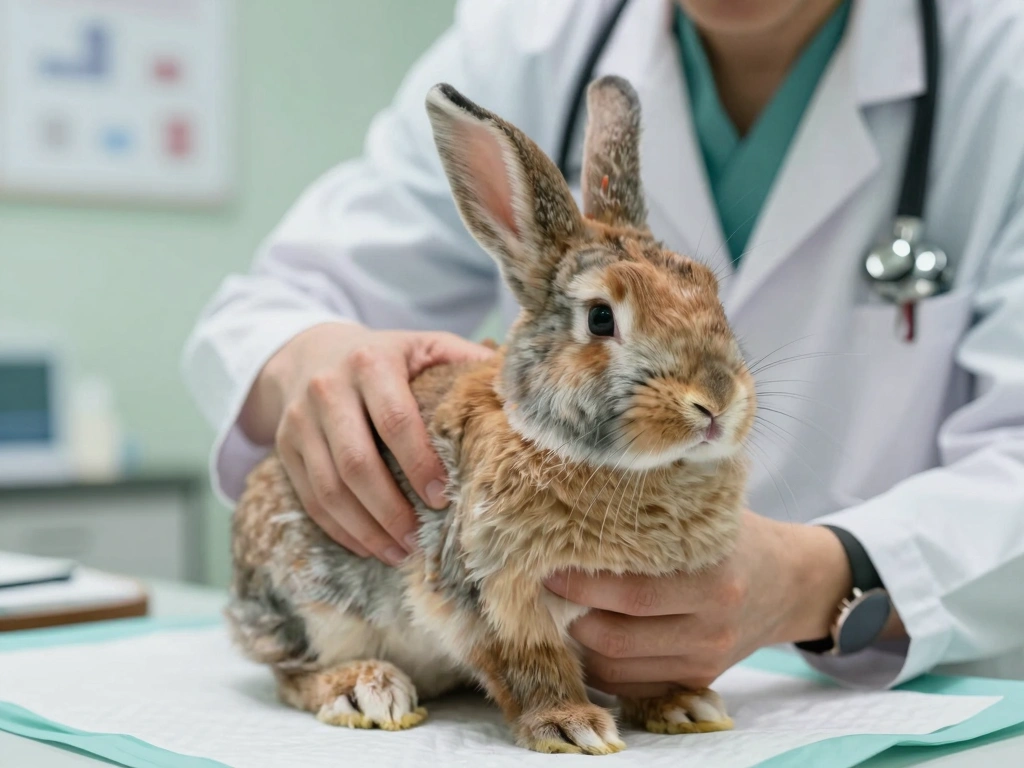
It is essential for rabbit owners to know when to seek veterinary help. Signs that warrant immediate veterinary attention include:
- Prolonged Loss of Appetite: If your rabbit has not eaten for over 12 hours, this is a critical warning sign.
- Abdominal Distension: A noticeably swollen belly can indicate serious gastrointestinal distress.
- Severe Depression or Lethargy: If your rabbit is unresponsive or reluctant to move, this could indicate a severe health issue.
Timely veterinary intervention can be life-saving, particularly in cases of gut stasis.
Treatment Options and Prognosis
The treatment for rabbit gut stasis typically involves a combination of the following:
- Fluid Therapy: Rehydrating the rabbit through subcutaneous or intravenous fluids is crucial to address dehydration.
- Medications: Prokinetic agents may be prescribed to stimulate gut motility, while analgesics can help manage pain.
- Dietary Adjustments: A veterinarian may recommend a change in diet to include more fiber or specific foods that promote gut health.
- Supportive Care: In some cases, hand-feeding may be necessary to ensure the rabbit receives adequate nutrition.
The prognosis for rabbits with gut stasis largely depends on the severity of the condition and how quickly treatment is initiated. When caught early, many rabbits can make a full recovery. However, if left untreated, gut stasis can lead to severe complications and even death.