Understanding the Challenges of Wind Turbine Blade Transportation
The transportation of wind turbine blades is a complex logistical challenge that requires careful planning and execution. With the growing demand for renewable energy, the need for efficient transportation logistics has never been more crucial. In this section, we delve into the primary challenges faced in the transportation of wind turbine blades.
Physical Dimensions and Weight Considerations
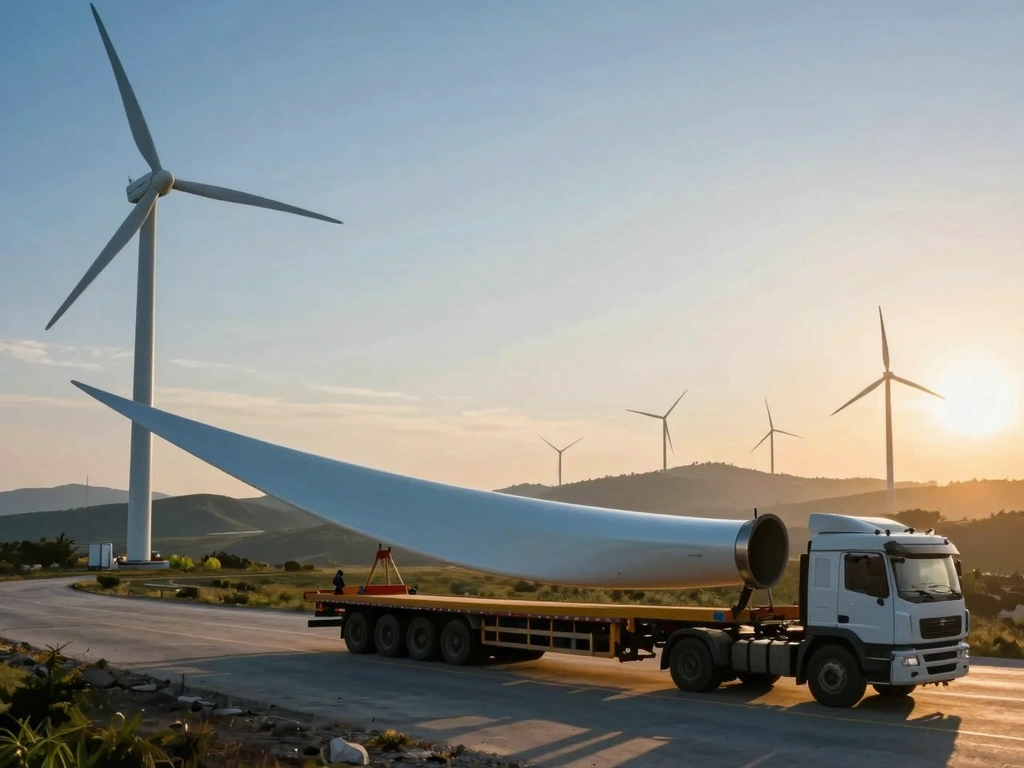
Wind turbine blades are among the largest manufactured products in the world, often reaching lengths of up to 80 meters (approximately 262 feet) or more. Their substantial size and weight pose significant challenges for transportation. The sheer length of these blades requires specialized transportation vehicles that can accommodate their dimensions without compromising safety. Transporting blades often necessitates the use of multi-axle trailers, which can handle the weight distribution and stability required for such lengthy cargo. For instance, a typical transportation vehicle for a 60-meter blade might involve a trailer with 6 to 10 axles, ensuring compliance with weight limits while maintaining maneuverability.
Regulatory and Permitting Challenges
In addition to physical constraints, regulatory and permitting issues can significantly complicate blade transportation logistics. Each jurisdiction may have its own regulations governing oversized loads, including restrictions on travel times, designated routes, and required permits. For example, in the United States, transporting oversized loads often requires permits from state and local authorities, which can take time to obtain. The permitting process can vary dramatically from one state to another, adding layers of complexity to logistical planning. Furthermore, some regions may require escort vehicles, which adds to both cost and planning time.
Route Planning and Infrastructure Limitations
Route planning is critical when transporting wind turbine blades. The transportation route must be carefully selected to avoid obstacles such as low bridges, narrow roads, and urban environments that cannot accommodate oversized loads. In some cases, significant modifications to existing infrastructure may be necessary to facilitate transportation. For instance, in a project in Texas, significant road upgrades were required to enable the safe passage of turbine blades to a wind farm. This included widening roads and reinforcing bridges, which can add time and cost to the overall transportation process.
Innovative Technologies in Blade Transportation
To address the numerous challenges associated with wind turbine blade transportation, the industry is increasingly turning to innovative technologies. These advancements not only improve efficiency but also enhance safety and reduce costs.
Advanced Transportation Vehicles and Equipment
The development of specialized transportation vehicles designed specifically for wind turbine components has revolutionized logistics. Companies like Goldhofer and Nooteboom are leading manufacturers of modular trailers that can be adjusted to accommodate various blade lengths and weights. For example, Goldhofer's THP/SL-E series trailers allow for flexible configurations, enabling the transportation of blades ranging from 40 to over 70 meters. These trailers are equipped with advanced steering systems that facilitate maneuverability on narrow roads, reducing the risk of accidents during transport.
Real-Time Tracking and Monitoring Systems
The implementation of real-time tracking and monitoring systems has transformed the logistics landscape for wind turbine blade transportation. Technologies such as GPS and RFID enable logistics managers to monitor the location and status of blades throughout the transportation process. For instance, companies like Trimble offer solutions that provide real-time visibility into logistics operations. This allows for proactive decision-making, such as avoiding traffic delays or weather-related disruptions, ultimately enhancing efficiency and reducing transportation times.
Use of Drones for Logistics Management
Drones are increasingly being utilized for logistics management in the wind energy sector. They can be deployed to survey transportation routes, inspect infrastructure, and monitor blade conditions during transit. By providing aerial views of routes, drones help logistics teams identify potential obstacles and plan accordingly. In a pilot project in Europe, drones were used to inspect the paths of oversized loads, allowing transportation teams to adapt routes before logistics commenced. This proactive approach not only saved time but also helped to mitigate risks associated with transporting large components.
Optimization Strategies for Transportation Processes
Optimizing transportation logistics for wind turbine blades involves implementing various strategies that enhance efficiency, reduce costs, and improve collaboration among stakeholders.
Efficient Loading and Unloading Techniques
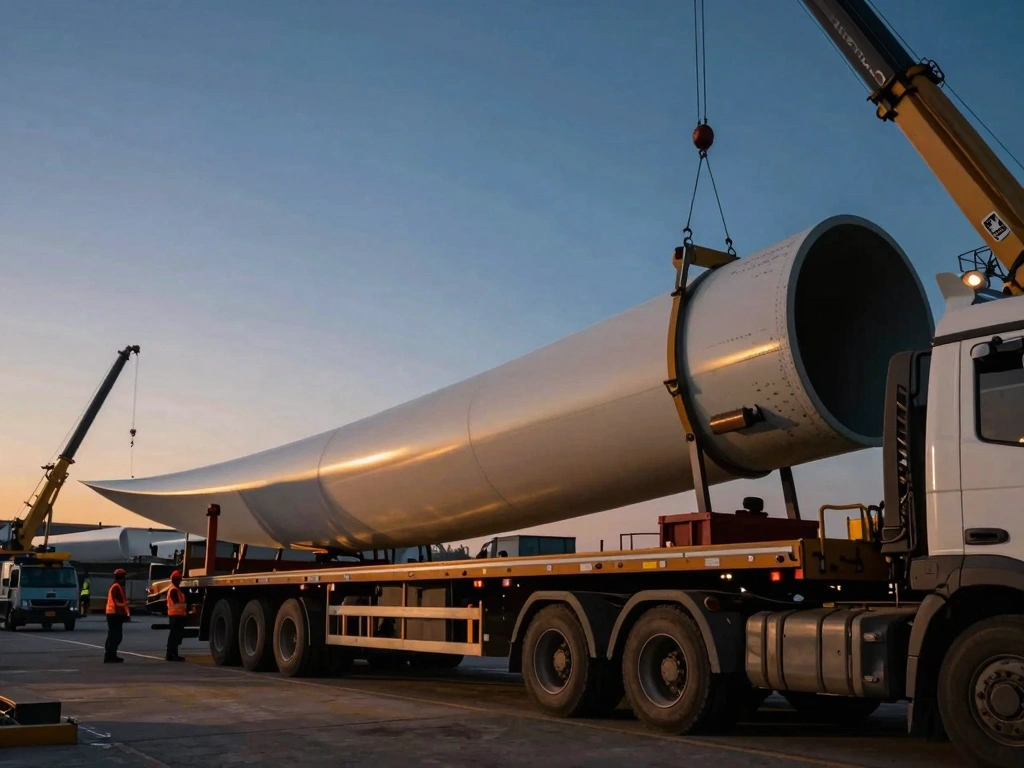
Efficient loading and unloading practices are critical for minimizing downtime during transportation. Using specialized cranes and rigging systems, logistics teams can streamline these processes. For example, the use of hydraulic cranes can facilitate quicker loading and unloading times, reducing the risk of damage to the blades. Moreover, employing trained personnel who understand the unique handling requirements of wind turbine blades can further enhance safety and efficiency. Training programs focusing on best practices for loading/unloading can significantly reduce incident rates and improve operational efficiency.
Collaborative Logistics and Stakeholder Engagement
Collaboration among various stakeholders, including manufacturers, transportation providers, and wind farm developers, is vital for optimizing logistics. Engaging in collaborative logistics allows for shared resources and knowledge, which can lead to improved planning and execution. For example, a consortium of wind energy companies may share transportation resources, reducing costs for all parties involved. This collaborative approach can also lead to more effective problem-solving, as stakeholders can address challenges together and leverage each other's expertise.
Data Analytics for Route and Cost Optimization
Data analytics plays a crucial role in optimizing transportation routes and costs. By analyzing historical transportation data, logistics managers can identify patterns and trends that inform future planning. Tools such as predictive analytics can forecast potential delays based on historical traffic data, weather conditions, and road closures. For instance, a logistics firm may use predictive models to adjust routes dynamically, ensuring timely delivery while minimizing costs associated with delays.
Case Studies of Successful Blade Transportation Logistics
Real-world examples of effective blade transportation logistics provide valuable insights into best practices and innovative solutions.
Implementation of Best Practices in Europe
In Europe, the wind energy sector has demonstrated success in optimizing blade transportation logistics. For example, the UK-based company Siemens Gamesa has implemented a series of best practices that focus on collaboration and advanced technology. By establishing partnerships with local transportation providers and employing advanced tracking systems, Siemens Gamesa has significantly reduced transportation times and costs. Their approach includes a thorough analysis of transportation routes, ensuring that every delivery is optimized and efficient.
Lessons Learned from North American Projects
In North America, several projects have highlighted the importance of effective logistics planning. The Hornsea One project in the United States, which is one of the largest offshore wind farms, faced significant logistical challenges during the transportation of turbine blades. By utilizing modular transport systems and engaging in extensive route planning, the project successfully navigated challenges related to oversized loads. Lessons learned from this project emphasize the importance of early stakeholder engagement and rigorous planning to ensure successful logistics execution.
Comparative Analysis of Different Transportation Models
Examining the transportation models used in different regions reveals varying approaches to logistics optimization. For instance, Europe often utilizes extensive rail networks for blade transportation, which can reduce road congestion and enhance safety. In contrast, the United States predominantly relies on road transport due to its vast geography and less developed rail infrastructure for oversized loads. Comparative analyses of these models can inform best practices and highlight potential areas for improvement across the industry.
Future Trends in Wind Turbine Blade Logistics
The field of wind turbine blade logistics is constantly evolving, driven by technological advancements and shifting market dynamics. Understanding future trends can help stakeholders prepare for upcoming challenges and opportunities.
Sustainability and Environmental Considerations
As the focus on sustainability intensifies, logistics strategies must adapt to minimize environmental impact. Transportation providers are increasingly exploring sustainable fuel options for vehicles and implementing eco-friendly practices in their operations. For instance, the use of electric or hybrid transport vehicles is gaining traction, reducing greenhouse gas emissions associated with blade transportation. Additionally, companies are exploring methods to optimize transportation routes to minimize fuel consumption, further enhancing sustainability efforts.
Emerging Market Dynamics and Their Impact
The growth of the global wind energy market presents both challenges and opportunities for logistics. Emerging markets, particularly in Asia and Africa, are becoming increasingly significant players in the wind energy sector, necessitating the development of tailored logistics strategies. As these markets expand, logistics providers will need to adapt to varying regulatory environments, infrastructure capabilities, and local stakeholder dynamics. This adaptability will be crucial for ensuring successful logistics operations in diverse regions.
Potential Innovations on the Horizon
Looking ahead, several innovations have the potential to reshape the logistics landscape for wind turbine blades. Advancements in automation, including self-driving transport vehicles, could revolutionize how blades are transported. Additionally, the integration of artificial intelligence (AI) into logistics planning systems may enhance route optimization and predictive analytics, leading to more efficient operations. As technology continues to evolve, stakeholders must remain agile and open to adopting new solutions that can enhance the efficiency of wind turbine blade transportation.