Understanding the Basics of Crowdfunded Community Gardens
Defining Crowdfunding in the Context of Community Gardening
Crowdfunding is a method of raising funds from a large number of people, typically via the internet, to finance a project or venture. In the context of community gardening, crowdfunding serves as a vital tool to gather financial support for the establishment, maintenance, and growth of a shared green space. This approach not only provides the necessary funds but also engages the community, allowing individuals to feel a sense of ownership and investment in the garden.
Key Elements for a Successful Community Garden
To run a successful community garden, several key elements must be considered:
- Location: A well-chosen site that is accessible and visible increases the likelihood of community involvement.
- Planning: A detailed plan that outlines garden layout, types of plants, and maintenance schedules can guide the garden's development.
- Community Involvement: Engaging local residents from the outset fosters a sense of belonging and commitment.
- Diversity of Plants: Including a variety of plants can attract different community members and promote biodiversity.
How Crowdfunding Can Enhance Community Engagement
Crowdfunding not only provides the financial resources needed but also enhances community engagement in several ways:
- Building Relationships: The process of fundraising can bring together different community members who share a common interest in gardening.
- Creating Awareness: A crowdfunding campaign can serve as a platform to raise awareness about local food sourcing and sustainability.
- Incentivizing Participation: Offering rewards or recognition for contributions can motivate more people to get involved.
Setting Up Your Crowdfunding Campaign
Choosing the Right Platform for Your Garden
Selecting an appropriate crowdfunding platform is crucial. Popular platforms like GoFundMe, Kickstarter, or Indiegogo are widely known, but options like Patreon or Seed&Spark may cater more to community-focused projects. Assess platform fees, reach, and features before making a choice. For instance, Kickstarter requires reaching your funding goal to receive any funds, while GoFundMe allows you to keep whatever you raise, making it a safer option for new projects.
Creating Compelling Campaign Content
Your campaign content must resonate with potential backers. This includes:
- Storytelling: Share the story behind your community garden, why it's needed, and the impact it will have on the community.
- Visuals: Use engaging images and videos that showcase the potential of the garden and the community's involvement.
- Clear Goals: Spell out how the funds will be utilized, breaking down costs for soil, seeds, tools, and other necessary items.
For example, if your goal is to raise $5,000, you might detail specific allocations: $1,500 for soil, $1,000 for seeds, $500 for tools, and $2,000 for community workshops.
Establishing Realistic Funding Goals
Setting a realistic funding goal is essential for a successful campaign. Consider the overall budget for your garden and determine a minimum viable amount needed to launch successfully. This might include:
- Initial setup costs
- Monthly operational costs for the first year
- Funds for community events
For instance, if your total project budget is $10,000 but you determine that $3,000 is needed to get started, aim for that amount. Once you reach it, you can launch additional phases of funding for expansion.
Building a Strong Community Around Your Garden
Recruiting Volunteers and Garden Members
Recruiting volunteers is vital for the success of your garden. Start by:
- Hosting informational meetings where interested individuals can learn about the garden’s mission.
- Utilizing social media and local bulletin boards to spread the word.
- Creating a sign-up sheet at community events to gather contact information.
Consider offering initial workshops or gardening classes to attract volunteers who may later become full-fledged members.
Fostering Inclusivity and Diversity in Participation
To ensure your community garden is welcoming and inclusive, consider the following:
- Cultural Sensitivity: Engage with local cultural groups to understand their gardening preferences and practices.
- Accessibility: Ensure the garden is accessible to individuals of all ages and abilities.
- Language Support: Provide materials in multiple languages if your community is linguistically diverse.
For example, if your garden is located in a neighborhood with a significant immigrant population, consider planting culturally relevant crops and hosting cooking demonstrations that reflect those cultures.
Organizing Community Events to Boost Engagement
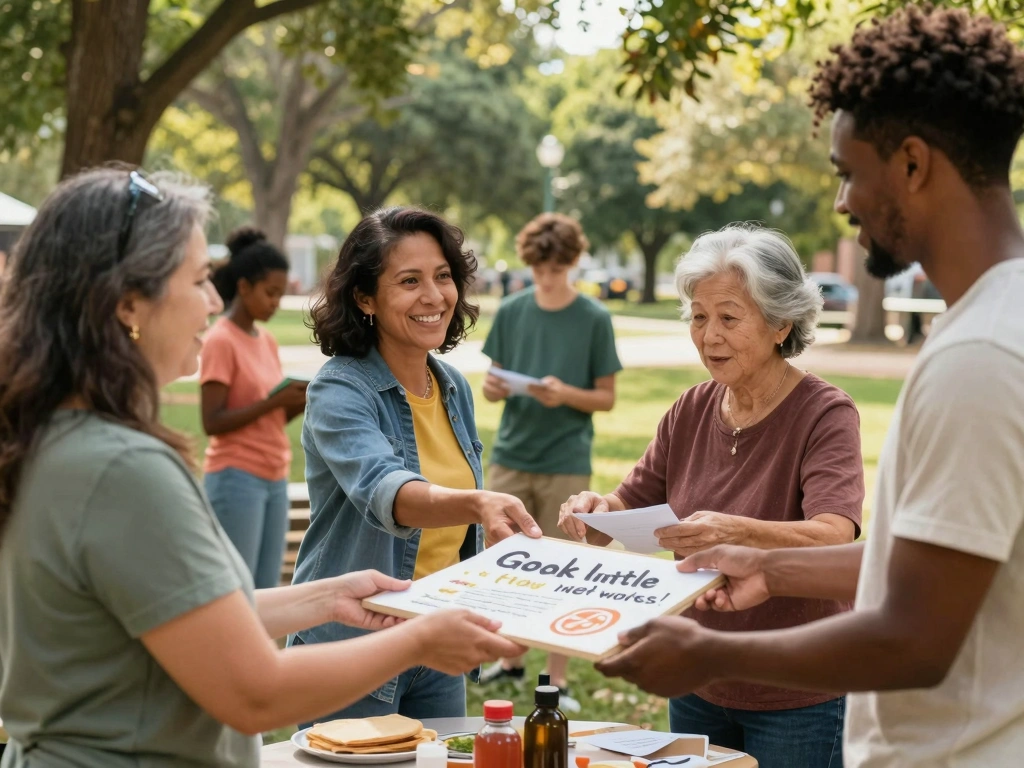
Community events can significantly increase engagement and foster a sense of community. Consider organizing:
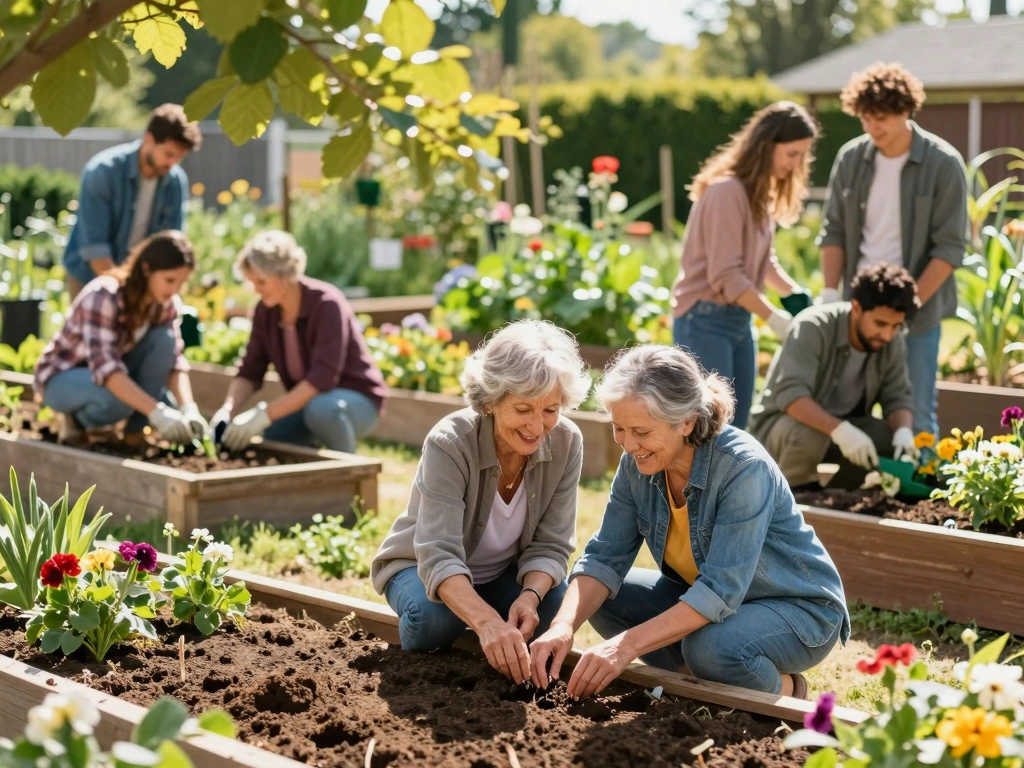
- Workdays: Designate specific days for community members to come together to plant, maintain, or harvest.
- Workshops: Offer classes on gardening techniques, composting, or cooking with garden produce.
- Harvest Festivals: Celebrate the bounty of the garden with a community event that includes food, music, and activities for families.
Such events not only build community but also provide opportunities for fundraising, as participants may be willing to donate or contribute to future events.
Managing Garden Operations with Transparency
Establishing Clear Roles and Responsibilities
Successful community gardens thrive on clear organizational structure. Assign roles such as:
- Garden Manager: Oversees daily operations and volunteer coordination.
- Finance Officer: Manages budgets and fundraising efforts.
- Community Liaison: Engages with community members and promotes events.
Having defined roles helps ensure accountability and allows members to contribute based on their skills and interests.
Maintaining Open Communication with Supporters
Regular communication fosters trust and keeps supporters engaged. Utilize:
- Email Newsletters: Send regular updates on garden progress, upcoming events, and volunteer opportunities.
- Social Media: Use platforms like Facebook or Instagram to share successes and challenges, encouraging interaction and feedback.
- Community Meetings: Hold monthly or quarterly meetings where members can discuss garden operations and suggest improvements.
Tracking and Reporting on Fund Usage
Transparency in how funds are utilized builds trust and encourages further contributions. Consider:
- Creating a budget report detailing income and expenditures.
- Providing updates on how crowdfunding contributions are directly impacting the garden.
- Using visuals (graphs, charts) to illustrate fund allocation and project progress.
For instance, if you raised $5,000 through crowdfunding, provide a breakdown showing $2,000 spent on soil, $1,000 on seeds, and so on.
Ensuring Sustainability and Longevity of the Garden
Adopting Sustainable Gardening Practices
Implementing sustainable gardening practices is key to the longevity of your community garden. Consider:
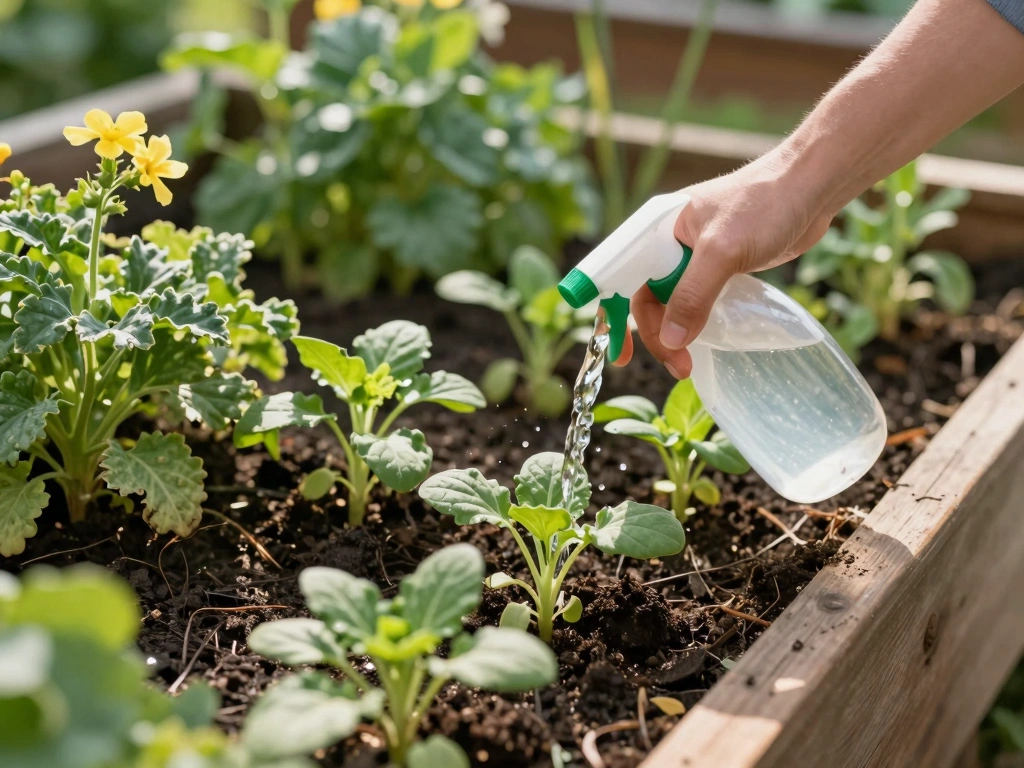
- Organic Practices: Use organic seeds and natural pest control methods to promote health and sustainability.
- Composting: Encourage composting in the garden to recycle organic waste and enrich the soil.
- Water Conservation: Implement rainwater harvesting systems or drip irrigation to minimize water usage.
For example, utilizing a rain barrel can save an average of 1,300 gallons of water during peak summer months.
Planning for Future Funding and Resources
To ensure the garden remains funded after the initial crowdfunding campaign, explore various funding avenues:
- Grants: Research local and national grants available for community gardening initiatives.
- Membership Fees: Implement a small annual fee for members that contributes to ongoing costs.
- Partnerships: Collaborate with local businesses or organizations for sponsorships or donations.
Creating a Legacy through Community Involvement
To solidify the garden's place in the community, focus on creating a legacy:
- Education Programs: Develop programs for local schools to teach children about gardening and nutrition.
- Intergenerational Activities: Organize events that engage both older and younger community members.
- Documentation: Keep a record of the garden's history, successes, and community involvement through photos and stories.
Such efforts foster a sense of pride and ownership, ensuring that the community garden remains a cherished part of the neighborhood for years to come.